
What a certificate does and does not show
Recycled-content language is a supply-chain claim. Buyers should connect the wording on a product page, specification or packing document to the exact material, processing sites and commercial transaction involved. A supplier’s certificate should be reviewed for its standard, scope, issuing body, covered sites, products or processes, validity and any limitations.
Textile Exchange describes Scope Certificates (SCs) and Transaction Certificates (TCs) as separate parts of its chain-of-custody system. An SC relates to an organization’s certified scope. A TC relates to a specific transaction or shipment. Neither document should be treated as a blanket claim covering every product made by a company. Ask the supplier to explain how the named trim and material are covered, and verify the document with the certification body or the scheme’s authentication tools where available.
A product-family label such as “recycled laces” is too broad for procurement records. Identify the exact construction, material, color, supplier entity, production location and order. If the component combines recycled and conventional fibers, request the claimed percentage and how it is calculated. Keep the response alongside the approved sample, purchase order and lot records.
Trace the product and shipment
Start with a document request that names the exact item and the claim you need to support. Ask for the current certificate, the relevant scope pages and, where applicable, transaction documentation for the shipment. Compare the supplier name, site, product description, material, dates, quantities and document numbers across the records. Resolve differences before repeating the claim in your own marketing or compliance file.
A TC supplied by a seller may confirm a transaction at a particular link in the chain; it does not automatically establish traceability beyond the scope of that transaction. If your finished footwear brand is responsible for a downstream claim, ask what additional records or certified links are needed to substantiate the claim through the rest of the chain. Confirm who is responsible for issuing each document and whether a certification body must validate it.
Document control matters as much as collection. Save the original files, issuing body contact, issue and expiry dates, related purchase order, product specification and shipment reference. Keep separate records for different colors, compositions, sites or production lots when the claim or chain of custody differs. If documents are updated, retain the version used to approve the specific purchase.
- Check the legal entity and covered facility.
- Match product descriptions and material claims to the actual trim specification.
- Confirm dates and shipment references are relevant to the order.
- Ask for clarification when a certificate omits the item, process or material you need.
Review the recycled-content claim
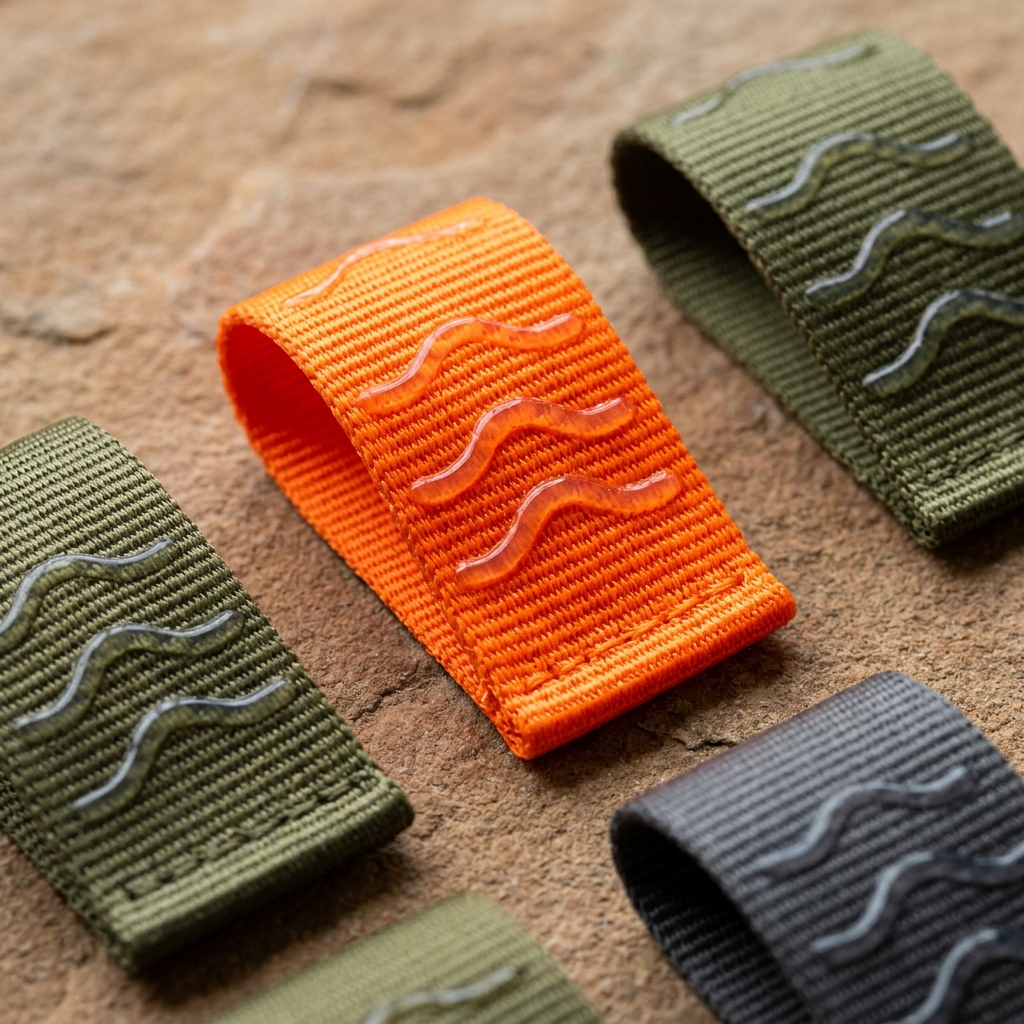
Request a composition breakdown that separates fiber types and identifies which share is recycled. Ask whether the stated percentage is based on the total product, the textile body only, or another declared basis. A lace may include a textile body, reflective yarn, tip, aglet, coating or end treatment; a pull tab may include webbing, reinforcement, stitching and a molded or metal attachment. The scope of the claim should be clear to a buyer reading the final declaration.
Do not use “100% recycled” unless the statement’s basis, exclusions and evidence support that exact wording. Ask how pre-consumer and post-consumer material is identified and recorded for the selected product. Request the relevant bill of materials, supplier declarations, batch records and third-party documents where applicable. For branded claims, obtain approval for the exact phrase, logo use and placement from the relevant program owner and brand team.
Separate certification from performance. A recycled-content document does not prove abrasion resistance, colorfastness, tensile performance, attachment strength, chemical compliance or durability in a finished shoe. Those are separate requirements and may need their own product-specific evidence. Use an approved sample and test plan that represents the intended construction and conditions of use.
Put EU ESPR in context
The Ecodesign for Sustainable Products Regulation (ESPR) is an EU framework for setting ecodesign requirements across product groups. The details depend on applicable measures and related legislation; an individual lace, pull tab or trim should not be described as “ESPR certified.” A buyer should identify which obligations apply to the finished product, the economic operator and the target market, then align upstream supplier data with that assessment.
For footwear projects, brand and importer teams may request material composition, recycled-content evidence, chemical information, durability data or other records for their own product documentation. The required data set can change with product rules, procurement policy and the way a claim is made. Ask the compliance owner to define the required fields and evidence instead of asking a trim vendor for a vague “ESPR certificate.”
Maintain a traceable handoff: component identifier, specification revision, material claim, evidence file, supplier entity and purchase lot. When a material, process or site changes, determine whether the current claim remains supported. The European Commission’s ESPR page should be checked for current implementation details and any rules relevant to the finished footwear category.
Build a useful sourcing brief
An RFQ can make document review faster if it gives the supplier a clear target. State the footwear application, construction, target market, desired recycled-content statement, annual or order quantity, color range, sample deadline and documents required for approval. Attach a drawing or reference image, but identify it as a reference if it is not a controlled specification.
Ask the supplier to return a product-specific matrix: available materials and constructions; recycled-content basis; certificates and transaction records available for the selected item; open items needing confirmation; sample and test requirements; and any exclusions or limits on claim wording. Keep technical testing and chain-of-custody evidence in separate rows so a certificate is not mistaken for a performance report.
During sampling, freeze the approved bill of materials and label sample revisions. If the production proposal changes yarn source, composition, facility, process or component construction, ask whether the evidence and product claim need review. Before bulk approval, compare the production specification and documents with the approved sample and purchase order.
- Product family, drawing, size, construction and color
- Target market and exact claim wording under review
- Recycled-content percentage and calculation basis requested
- SC/TC or other documents required, with shipment scope identified
- Separate performance tests and acceptance criteria
- Sample approval, change control and record retention expectations
Buyer questions
Does a GRS Scope Certificate prove this shipment is certified?
An SC shows an organization’s certified scope; ask for transaction-level documentation when needed and verify that the product, parties and shipment are covered.
Does GRS certification mean a trim is compliant with every EU rule?
No. Certification and recycled-material chain of custody address a defined scope. Assess the finished footwear and destination-market requirements separately.
Can I say a component is ESPR certified?
Avoid that phrase. ESPR is an EU regulatory framework; use only specific claims and evidence that match the applicable product rules and the item.
Does recycled content prove durability?
No. Performance tests such as abrasion, colorfastness or tensile testing are separate and should use an agreed method and representative specimen.
Always check the current edition and applicability with the issuing organization and the project compliance owner.
Need an item-specific review?
Send the product family, drawing or reference, intended application, target market and required evidence. Availability, specifications, samples, pricing and timing are confirmed for the selected project.
Send an RFQ for this guide’s product family →