
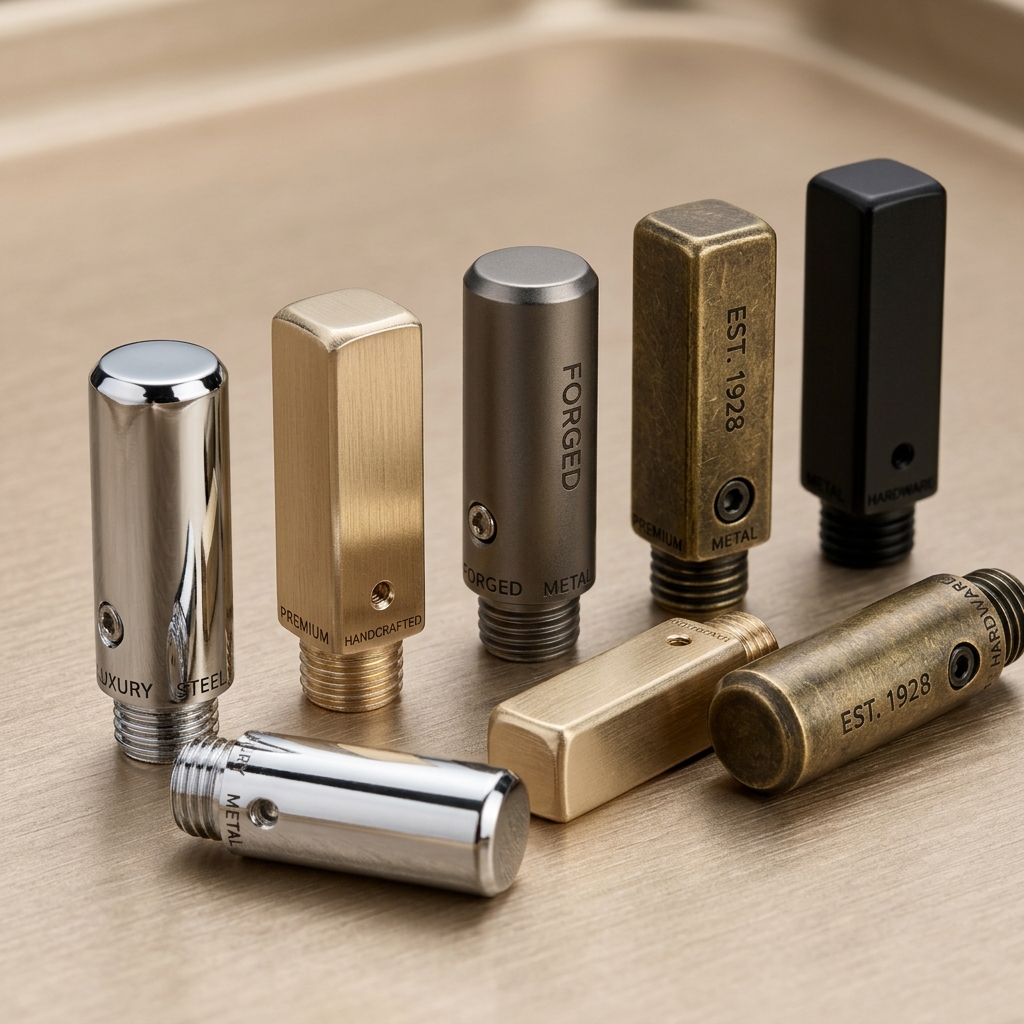
Specify the finish as a system
A finish specification should identify the hardware substrate, surface preparation, coating or treatment, color, gloss, texture and any clear topcoat. A phrase such as “antique brass” or “gunmetal” may describe a visual direction but can mean different process routes and color outcomes between suppliers. Use a controlled color reference or approved physical sample, and state which surfaces are visible on the finished shoe.
The substrate matters. Brass, steel, zinc alloy and other base materials respond differently to forming, cleaning and finishing. Part geometry also matters: recesses, sharp edges, holes and contact points may not receive the same finish build as a flat visible surface. Identify the actual eyelet, hook, aglet, ring or ornament and share a drawing with dimensions and function.
List the use conditions. Hardware may contact sweat, water, salt, cleaners, skin, other metal components or flexible textile. A decorative trim on a fashion shoe can have a different expectation from exposed hardware on outdoor footwear. Ask the brand’s material and testing teams to define the relevant use environment and acceptance criteria.
Separate appearance, function and durability in the specification. Color match, coating adhesion, wear, corrosion and mechanical performance are different acceptance questions. A visual approval sample does not establish a test result, and a corrosion report does not prove color match.
Compare finish routes carefully
Plating, paint or lacquer, conversion coatings, physical vapor deposition and mechanical finishing can produce different appearance and performance characteristics. The process name alone does not define a result. Ask the supplier to state the base material, preparation, finish stack and any protective topcoat, along with process limitations on the part geometry.
When comparing options, evaluate the same component design and substrate. Request samples from the intended process and inspect them under agreed lighting. Note color, gloss, texture, edge coverage, recess coverage, visible rack or contact marks and variation between pieces. Include any logo, engraving or laser marking that could alter the finish or expose the substrate.
Ask how the finish may change with normal wear and assembly. Eyelets can rub against laces, hooks can contact one another, and metal ornaments can scrape against other components or surfaces. A coating suitable for a protected decorative face may not be suitable for a high-contact edge. Discuss whether wear-through is acceptable, where it may occur and what inspection method will be used.
For chemical or restricted-substance requirements, state the target market and the exact declaration or test evidence requested. Do not infer chemical compliance from a finish name or an unrelated certificate. Check that the document identifies the tested material, supplier, date and scope.
Set corrosion-test criteria
ASTM B117 is a practice for operating a salt spray (fog) apparatus. It provides controlled chamber conditions, but it does not establish a universal exposure duration or pass/fail threshold for every footwear part. ASTM notes that stand-alone salt spray results seldom correlate directly to natural environment performance. A buyer should set a product-specific test plan with the supplier, brand or laboratory.
Before testing, identify the base metal, finish system, assembly and representative production sample. Agree the standard edition, specimen preparation, chamber exposure, inspection intervals, permitted defects and evaluation method. Define what “red rust,” “white corrosion,” blistering, edge creep or other failure means for that component and where it is assessed. Make sure the report identifies the actual item, surface finish, sample count and dates.
Test a component that represents the production process. Cut edges, formed areas, contact points and assembly marks can influence results. If the test article is a flat coupon or a different finish, it may not represent the hardware being purchased. Keep sample and report references linked to the drawing and purchase order.
Do not use a reported number of hours as a stand-alone guarantee of service life. Interpret the result within the agreed test plan and intended use. For more detail on representative samples, acceptance criteria and report review, read the shoe eyelet corrosion buyer guide.
Inspect and control appearance
Create an approved finish sample that shows the intended color and surface condition. Keep it protected from light, oxidation and handling damage, and identify the revision. Define the viewing conditions, acceptable variation, inspection distance and whether comparison is visual or instrumental. A physical master sample can help resolve differences that a color name cannot.
Agree a sampling plan for production inspection. Check color and gloss, visible defects, coverage in recesses, burrs or sharp edges, coating damage, and fit with the mating component. For functional parts, include dimensions and assembly checks because finishing can affect hole size, press fit or movement. A finish defect may cause a functional issue even when the overall color looks correct.
When an issue appears, isolate the lot and record the component, supplier process, batch, location and defect type. Decide whether the problem is color variation, coverage, adhesion, corrosion, handling damage or an underlying substrate problem. Corrective action should address the cause and be verified on a new sample or production lot.
Changes to substrate supplier, preparation, coating line, topcoat or curing can alter appearance and performance. Require change notification and determine which approvals or tests need repeating.
Build the hardware RFQ
Include a drawing with substrate, dimensions, functional requirements and visible surfaces. State the target finish reference, color tolerance, gloss or texture, coating system if already defined, target market, expected use conditions and required documents. If you are open to alternatives, ask the supplier to propose options with their process and limitations instead of quoting a finish name alone.
For corrosion testing, name the method and edition, specimen, exposure, inspection schedule, failure definition and acceptance criteria. Identify who will test, whether an accredited laboratory is required, and what the report must show. Ask the supplier to flag any information needed from the brand or laboratory before sampling.
Request a pre-production sample and record its revision, material, finish and approval. Specify how production pieces will be checked and how a change in process or supplier will be communicated. Confirm MOQ, sample cost, tooling, lead time and price only in a current item-specific quotation.
- Part drawing, base material and mating components
- Finish reference, color, gloss, texture and visible areas
- Target market, use conditions and restricted-substance evidence
- Test method, edition, specimen preparation and pass criteria
- Approved master sample and production inspection method
- Change notification and item-specific commercial terms
Buyer questions
Does ASTM B117 specify how many hours every eyelet must pass?
No universal duration or pass criterion applies to every product. Agree the exposure and acceptance criteria for the specific item.
Does passing a salt spray test guarantee real-world service life?
No. Chamber results should be interpreted within the agreed test plan and do not directly guarantee natural-use performance.
Is a finish name enough for production approval?
No. Specify substrate, process or finish stack, color reference, visible surfaces and acceptance criteria.
Can a finish certificate prove the hardware is safe for every market?
No. Evidence must be matched to the material, claim, product and destination-market requirement.
Always check the current edition and applicability with the issuing organization and the project compliance owner.
Need an item-specific review?
Send the product family, drawing or reference, intended application, target market and required evidence. Availability, specifications, samples, pricing and timing are confirmed for the selected project.
Send an RFQ for this guide’s product family →